
Queen Anne's County Arrest Warrants Explained
An arrest warrant gives an officer the power to take a named person into custody. Queen Anne's County treats it as a charging document with a command attached, signed only after a judicial officer found probable cause. A summons works differently. It orders an appearance and carries no arrest power on its own, so you answer it at a scheduled hearing. A warrant is not so polite. It can be executed at any hour, in any place, and it stays active in law enforcement systems until it is served or withdrawn. That single difference shapes everything that follows, from how fast you must act to which office can recall it.
From Statement of Charges to a Signed Warrant
The paperwork starts with an application for a statement of charges. A District Court commissioner then reviews it for probable cause and issues a charging document with either a summons or an arrest warrant attached. A Circuit warrant moves on a separate track. A judge signs it, or the clerk signs on a judge's order. Either path creates the case file in Queen Anne's County, and the charging document supplies the case number. Keep that number close. Every question about service, bond, or recall later gets answered against it.
Who Can Sign an Arrest Warrant Here
Maryland Rule 1-202(dd) draws the line on signatures. A District arrest warrant is signed by a District judge or a commissioner. A Circuit warrant is signed by a Circuit judge, or by the clerk when a judge orders it. Officers do not sign warrants, and no police department can issue one. That rule is why a Queen Anne's County warrant question always ends at a court. The commissioner handles probable cause and the initial appearance, while the judge holds authority over the case itself, and knowing which is which decides whose counter you visit.
Inside a Queen Anne's County Arrest Warrant
A warrant borrows the case file's fields and adds a command. In Queen Anne's County, read the issuing court and the charge first. Those two lines determine who can confirm the warrant and what happens at an appearance.
| Warrant / Case Number | A District tracking number or a Circuit docket number |
|---|---|
| Charging Document | The statement of charges or citation that began the case |
| Offense / Statute / Classification | The charge as filed, with its degree |
| Issuing Court and Judge | District or Circuit, with the judicial officer who signed |
| Serving Agency | The law enforcement office that received the warrant |
| Bond or Release Condition | Cash, property, card, bondsman or no ordinary release |
Note: An arrest warrant describes a charge, so it is a record of an allegation and not a finding.
Serving Arrest Warrants in Queen Anne's County
The Sheriff's Office serves papers for all of Queen Anne's County. Its process directive spells out how each document is logged with the date and time received, the type of process, the docket number, and the assigned officer, with assignments split by geography. Attempts get recorded as they happen, which is why a deputy can tell you whether a warrant was actually carried out. For a case filed at the Circuit level, the criminal contact block lists the clerk, the judge's chambers, and the related offices. The Circuit Court criminal contacts page is the place to start when the charge is a felony or another Circuit matter.
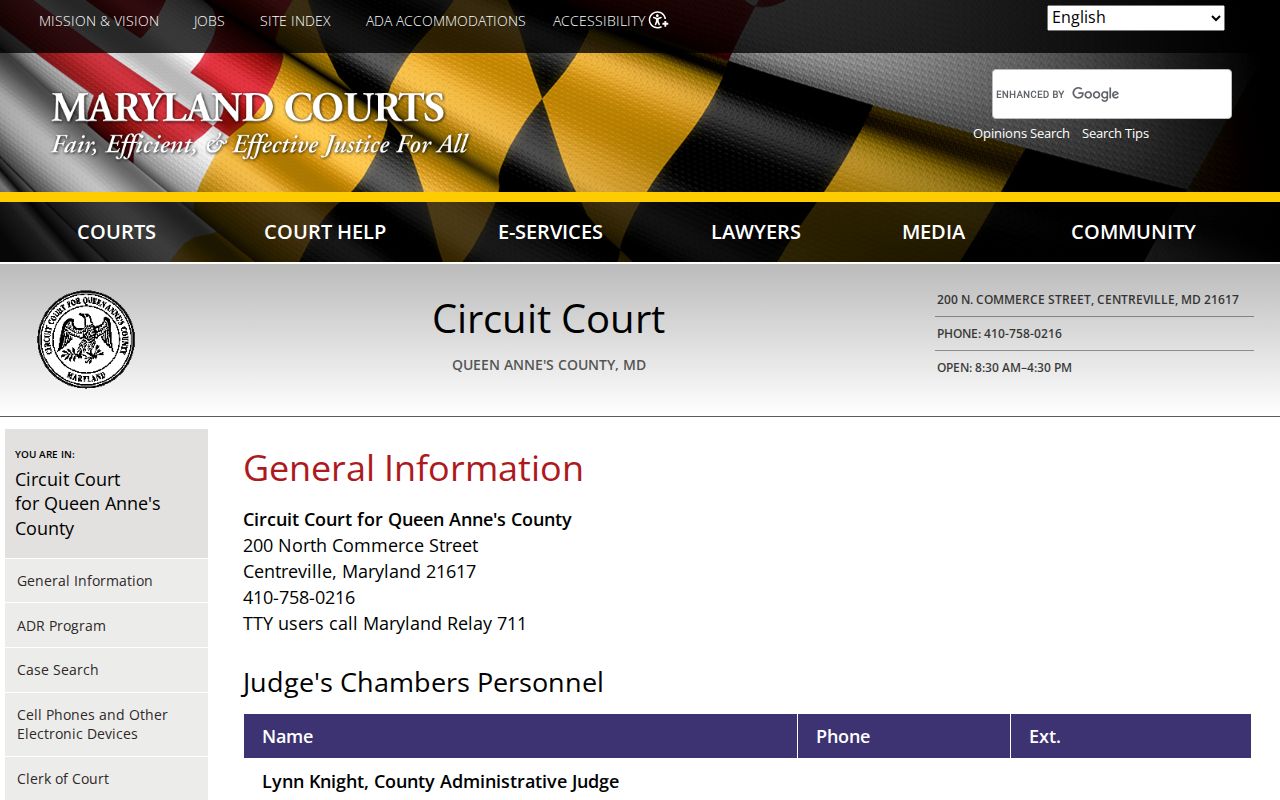
The page shows the offices attached to a Circuit case in Queen Anne's County. Those include the clerk, the State's Attorney, and the Public Defender.
Why Unserved Warrant Files Stay Closed
In Queen Anne's County, an unserved warrant keeps its court file out of public view. General Provisions §4-316 draws that line. The arrest-warrant file and its charging document stay closed until the warrant is served and returned, or until 90 days pass from issue, subject to any sealing order. So a warrant search that comes back blank tells you nothing about whether a warrant exists. A public information request cannot open the file while the rule still applies. The closure protects the investigation.
METERS, NCIC and Extradition
Arrest warrants get entered into state and national law enforcement systems, and each entry records how far an agency will go to bring a person back. Queen Anne's County generally authorizes extradition from Delaware, Pennsylvania, Virginia, West Virginia, and the District of Columbia, with other states considered case by case. Do not expect to search those entries yourself. The systems are secure operational tools, not public search fields, so an entry there never shows up in a state case index.
The Detention Center Phone Is Not a Search Line
The Detention Center at 500 Little Hut Drive answers custody questions at 410-758-3817. Custody staff are on site around the clock, and administrative offices open during weekday business hours. It is a custody contact for Queen Anne's County, not a records desk. The county's Detention Center page lists the public contact details and visitation information.
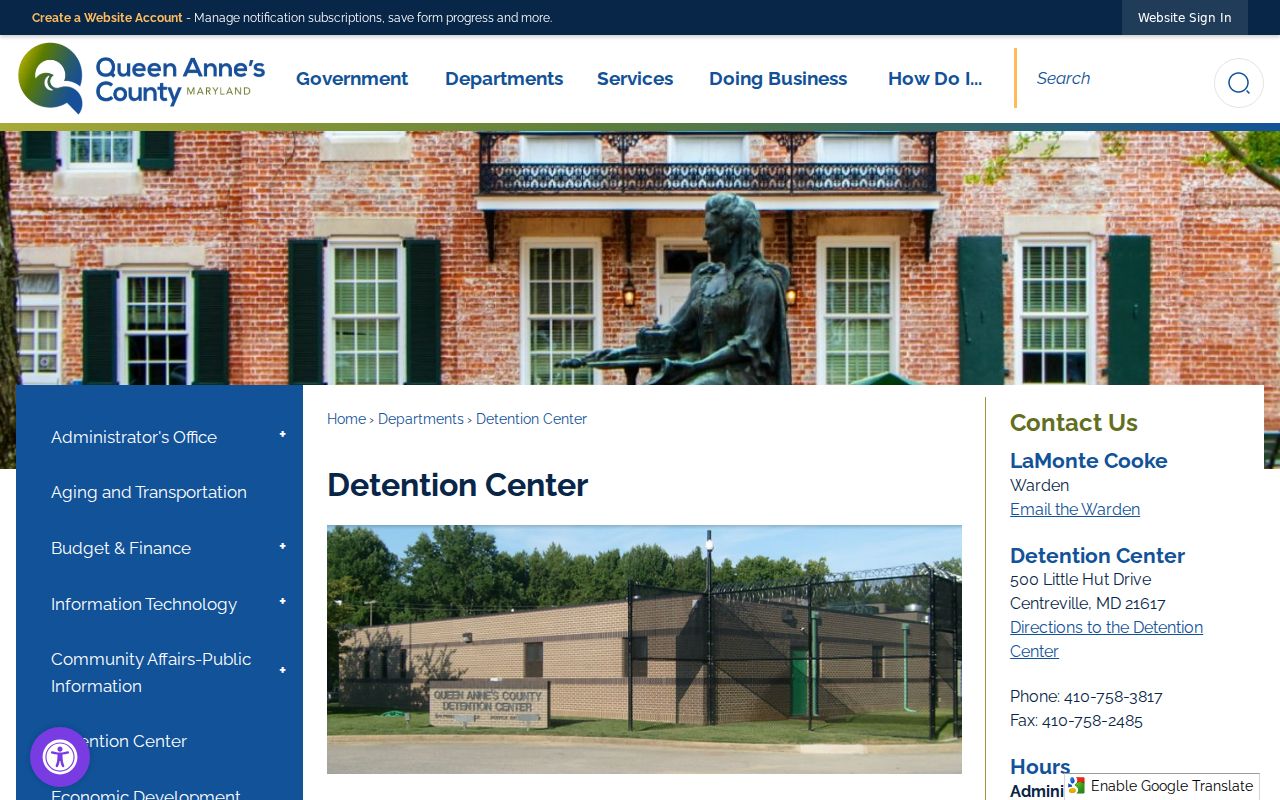
Nothing there publishes a bond window, a bond amount, or a payment method. The release question goes to the court, not the Detention Center in Queen Anne's County.
Federal Warrants Follow a Different Route
Federal cases take a separate track from anything the Queen Anne's County courthouse handles. Charges there land in the U.S. District Court for the District of Maryland, and the county sits in its Northern Division. The U.S. Marshals Service serves those warrants and staffs a 24-hour fugitive tip line. A local clerk cannot confirm a federal warrant. The official docket route is PACER, which charges by the page and offers a quarterly waiver for small users.
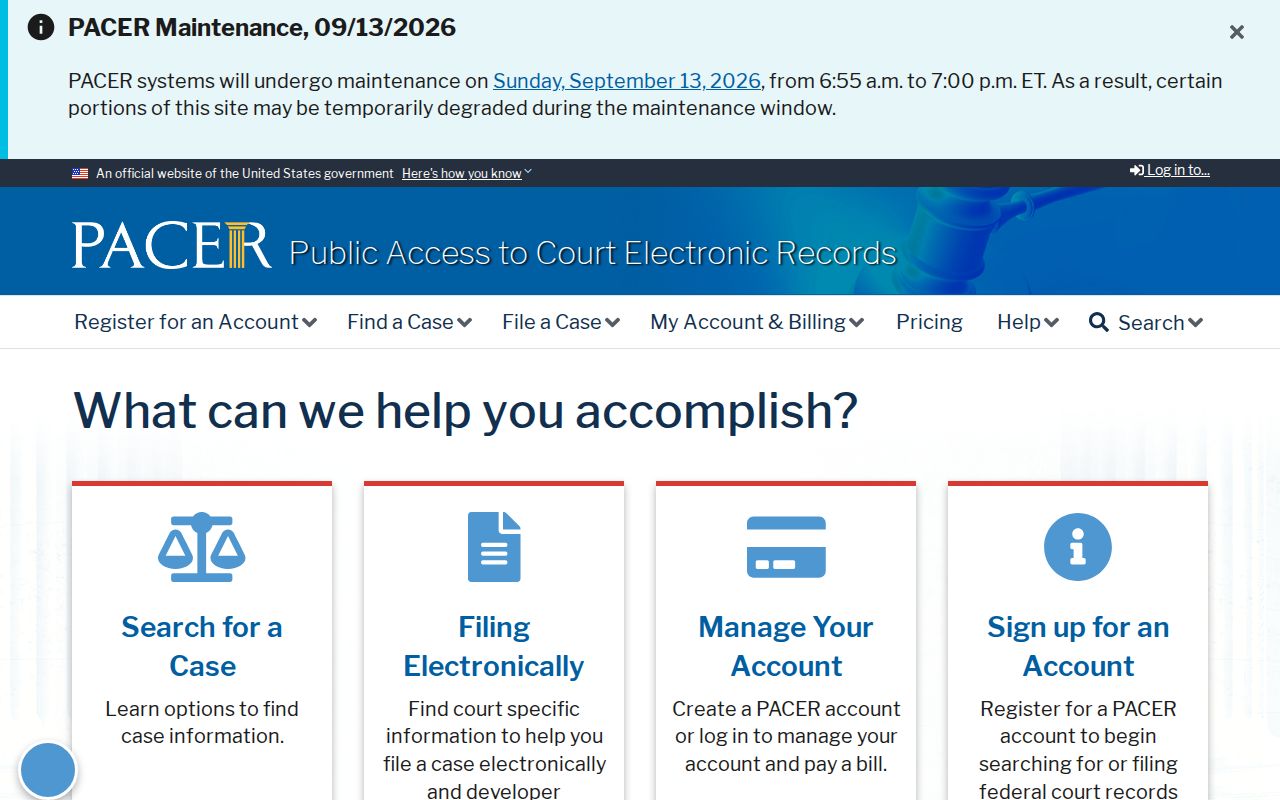
PACER is a paid docket service, not a warrant search engine for Queen Anne's County. Sealed federal material may not appear at all.
Comparing Arrest, Summons, and Bench Warrants
Three documents look similar on paper and behave very differently in Queen Anne's County. The trigger is usually the fastest way to tell them apart, and it decides which office answers your question.
| Point | Arrest Warrant | Summons | Bench Warrant |
|---|---|---|---|
| Trigger | A charge with probable cause | A charge where appearance is likely | A missed date or obligation |
| Who signs | Judge or commissioner | Judge or commissioner | The judge handling the case |
| What happens next | An officer may take the person into custody | The person appears on the scheduled date | The court can recall it or set a new date |
If There's an Arrest Warrant for You
Slow down and plan. A Queen Anne's County arrest warrant can surface at a traffic stop, a courthouse entrance, or a routine records check. A planned appearance beats a surprise one. Talk to a Maryland attorney before you act, then call the issuing court and ask what it wants from you. Some courts schedule a surrender. Others want a written motion to recall or quash the warrant, or they set a hearing instead. Ask about identification and release conditions too, and ask what the commissioner handles afterward. The steps for what to do if you have a Queen Anne's County warrant walk through the same sequence in more detail.
Important: Call an attorney before you turn yourself in. A planned surrender with counsel is usually easier to manage than an arrest at a traffic stop.